|
|
|
CHINA TRADE
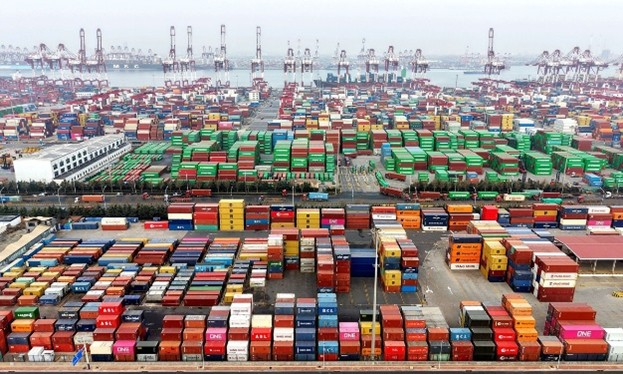
China is the world’s trade powerhouse,
with exports totalling an estimated $3.5 trillion and a trade surplus of
over $1.2 trillion in 2025. China’s share of global trade is 8.2% and
is growing at a remarkable rate of 5.3% despite trade protectionism,
restrictions and massive tariffs imposed by US, Western Europe and their
allies on China exports. Despite the challenges of plunging China-US trade, rising geopolitical tensions, tariff wars to weak global demand and a rising RMB - the record-breaking trade figures not only offers a window gauging into the strong resilience, adaptability and competitiveness of China’s foreign trade engine, but also underscores the country's irreplaceable role as both locomotive and stabilizer of the global supply chain. China's foreign trade sector is truly remarkable.
Focussing on innovation, technology and
high value driven manufacturing, advanced technology products now make
up more than 48% of China’s total export and high technology products as
a share of China’s export is expected to dominate the rest of the world.
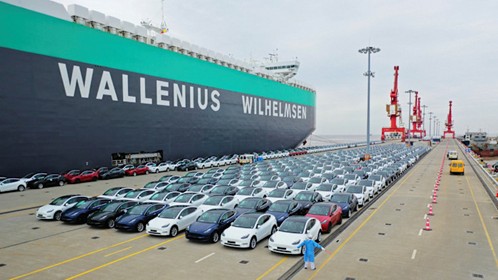
China's high-tech exports have been gaining momentum, a trend that is in line with the country's industrial upgrading. Many milestones were achieved last year. China's exports of high-tech products climbed 13.2 percent year-on-year to reach $0.76 trillion in 2025. In particular, the exports of industrial robots jumped 48.7 percent last year, with exports exceeding imports for the first time, which transformed China into a net exporter of robots. The exports of green energy products such as electric vehicles, lithium-ion batteries, and photovoltaic products - soared by 27.1 percent year-on-year, while the exports of wind turbines rose 48.7 percent year-on-year China's institutional power, market advantages, industrial system strengths, comprehensive indigenous industrial and supply chains, rapid breakthroughs in core technologies, massive domestic market and talent resource advantages will ensure China’s dominant position in future manufacturing and foreign trade. Despite expected downward pressures and headwinds. China’s average foreign trade is expected to continue to grow by a remarkable 5% in the next 5 years. China has been making quantum leaps and now leads the world in most of the industrial 4.0 critical future technologies such as AI, biotechnology, big data, smart robotics, automation, drones, quantum computing and communication, blockchain, space, 5/6 G, IOT, EV, green energy and unmanned civilian and military technologies etc. China also dominates the world in legacy and core semiconductor manufacturing indispensable to global industrial production and manufacturing and is catching up fast on cutting edge microchip related technologies and manufacturing. High technology products as a share of the total China export include:
To ensure export resilience and sanction
proof its exports, China has been re-routing its export destinations
away from the US and some EU markets and gives greater emphasis on
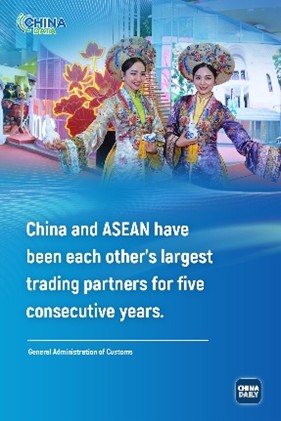
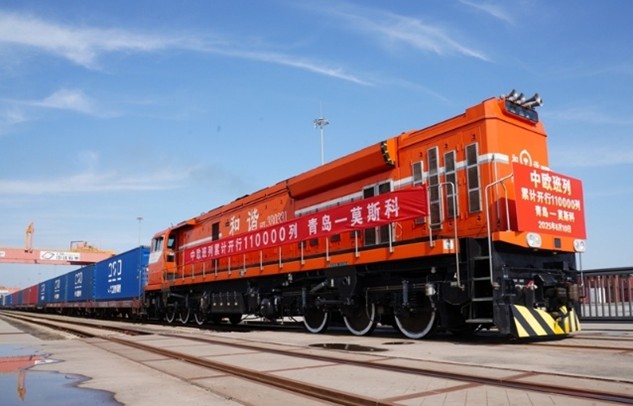
developing new trade corridors and trade partnerships with ASEAN and the
global south countries – particularly those involved with China’s BRI. China has established trade ties with over 240 countries and regions, and its trade with over 190 countries and regions is increasing.
Recent trade showed a 6.3 percent
year-on-year increase in trade with BRI partner countries to reach $3.41
trillion, accounting for 51.9 percent of the country's total foreign
trade value.
The increased trade with ASEAN and Belt and Road Initiative countries highlights the success of China's regional economic integration efforts. As China's export market becomes increasingly complex, digital logistics is playing a vital role in facilitating trade. These include:
By leveraging these advanced digital solutions, Chinese exporters can navigate the complexities of global trade more effectively in 2025. Looking ahead, several trends are shaping the future of Chinese exports and global trade:
These trends present both challenges and opportunities for businesses involved in Chinese exports and global trade. China's position as the world's largest exporter will remains for many years to come, driven by its leadership in advanced technology, sustainable products, and digital trade. For businesses looking to succeed in this dynamic environment, leveraging cutting-edge digital logistics solutions is crucial. As China continues to shape the future of global trade, staying informed about market trends and utilizing advanced digital logistics platforms will be key to thriving in the fast-paced world of international commerce. Key Drivers of China's Trade Dominance can be summarized as below:
State Support & Policy:
|
|||||||