|
CHINA GENETICS TECHNOLOGY
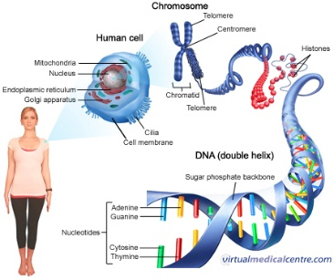
Gene technology, also
known as genetic engineering or modification, involves directly
manipulating an organism's genes - the instructions in cells - to alter
their traits or functions. It includes techniques like transferring,
removing, or modifying DNA to create GMOs for medicine, agriculture, and
research, such as developing vaccines or disease-resistant crops.
Key Aspects of Gene Technology
-
Definition:
A modern branch of biotechnology used to alter the genetic makeup of
organisms, including bacteria, plants, and animals.
-
Techniques:
Involves
direct modification,
gene silencing (RNAi),
or
transferring genes
between species.
-
Applications:
-
Agriculture:
Creating crops with better pest resistance (e.g., GM cotton) or
enhanced nutrition.
-
Medicine:
Developing vaccines (e.g., mRNA COVID-19 vaccines), insulin, and
researching gene therapies for diseases.
-
Industry:
Producing enzymes, specialized compounds, and potentially using
microbes for environmental cleanup (bioremediation).
-
Regulation:
The use of Genetically Modified Organisms (GMOs) is strictly
controlled to protect human health and the environment.
Common methods include
CRISPR-Cas9 for gene
editing and
recombinant DNA technology.
Human genetics
technology involves tools and techniques used to analyze, manipulate,
and modify human DNA for medical, research, and diagnostic purposes. Key
applications include CRISPR gene editinggene therapy, and genetic
testing, aimed at treating diseases, improving diagnostics, and
understanding genetic variations.
Key aspects of human genetic
technology include:
·
Gene
Editing (CRISPR-Cas9): Uses molecular "scissors" to cut, add, or replace
specific DNA sequences to treat genetic disorders.
·
Gene
Therapy: Inserts new genetic material into cells to cure or prevent
diseases, such as replacing faulty genes.
·
Genetic
Engineering: Modifies an organism's DNA, potentially correcting severe
genetic disorders.
·
Genetic
Testing: Analyzes DNA to diagnose rare diseases, identify inherited gene
variants, or predict disease risk.
·
Somatic
and Germline Modifications: Somatic therapies change cells in a
patient's body, while germline editing alters genes in eggs or sperm,
which can be passed to future generations.
These technologies are
heavily regulated due to ethical concerns regarding human enhancement
and safety, with recommendations for use focused on alleviating human
suffering
CHINA GENETICS
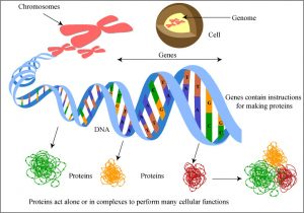
China is rapidly
emerging as a global leader in genetic technology, driven by massive
state investment, AI integration, and a focus on large-scale genomic
data, precision medicine, and agricultural advancements. Key areas
include advanced CRISPR applications, national genome databases, and, as
of late 2024, accelerated approval of gene-edited crops to boost food
security
Key Aspects of Current Chinese Genetic
Technology:
-
Large-Scale
Editing: Researchers have developed,
such as from the
Chinese Academy of Sciences,
new technologies like "PCE"
for programmable, large-scale chromosome segment editing (e.g.,
inverting/replacing millions of base pairs).
-
Genomics & AI:
China is establishing the world’s first nation-wide gene database,
aiming to sequence citizens to create "digital twins" for health
management by 2049, according to
BGI Genomics.
-
Agricultural
Breakthroughs: In December 2024, China
approved new safety certificates for gene-edited soybeans, wheat,
corn, and rice to improve yields.
-
Human Genetic
Resources & Regulation: Following
controversies (e.g., 2018 CRISPR babies), China has strengthened
regulations, classifying human genetic data as a strategic resource
and restricting its transfer to foreign entities.
-
Animal Models:
China uses extensive, state-supported animal research centers for
disease modeling (e.g., gene-edited pigs for neurological diseases)
to accelerate drug development.
-
Industry Growth:
Biotech innovation is surging, with the market value of public bio-pharma
firms growing significantly, shifting from generics to
first-in-class drug research.
WHY CHINA LEADS THE WORLD
Key Reasons
for China's Leadership in Genetics:
-
Massive Genomic
Datasets: China possesses the world’s
largest, most diverse genomic holdings, providing an edge in
analyzing disease and human genetics. This includes massive,
state-backed, and corporate-led (like
BGI), projects.
-
Permissive
Regulatory Environment: Compared to
the West, China has a more relaxed regulatory approach to genetic
engineering, facilitating rapid, often controversial, research in
human embryo editing and animal cloning, such as creating
gene-edited monkeys and pigs.
-
Strategic
Government Support: The Chinese
government has made biotechnology a national priority, offering
subsidies, science parks, and, importantly
fast-tracked clinical trials.
-
Low-Cost
Sequencing &
Infrastructure: Companies like MGI Tech have
slashed the cost of sequencing to under $100, enabling widespread
adoption, from prenatal testing (NIPT) to large-scale disease
studies.
-
Integration of
AI and
Big Data:
Chinese researchers are integrating artificial intelligence with
synthetic biology to speed up drug discovery and protein design from
months to weeks.
-
Talent and
Resource Pooling: A significant influx
of U.S.-trained scientists returning to China, coupled with, for
example, the
Beijing Genome Institute's
strong, specialized infrastructure, boosts research capabilities.
-
Government
Leadership: Most important factor for
China’s success is the government’s ability to develop, plan and
execute long term visions successfully on time and on budget.
Government policies and expenditures are focussed on benefiting the
country and its people rather than special interests.
The majority of the Chinese leaders are highly qualified and
experienced engineers and scientists with extensive experience in
administration, management and project development.
-
Massive
Scientific and Engineering Talent.
China produces more STEM students each year than the US and G7
countries combined. Most of the world’s top STEM
universities and research institutions are in China.
China is now the world leader in the publication of high impact and
frontier technology papers.
Areas of
Dominance:
-
CRISPR-Cas9 Applications:
Leading in both agricultural (crops) and human therapeutic
applications (cancer treatment).
-
Genomic Sequencing:
The nation is on track to integrate personal, real-time health data
into daily, nationalized healthcare, say experts in this BGI report.
-
Cell and Gene
Therapies: Ranked second globally for
clinical trials, focusing heavily on oncology.
While the U.S. remains
strong in innovation, China's rapid, often state-driven approach to
deploying, developing, and, for example, collecting, data gives it a
significant edge, particularly in the rapid application of these
technologies.
FUTURE DIRECTIONS AND DEVELOPMENT
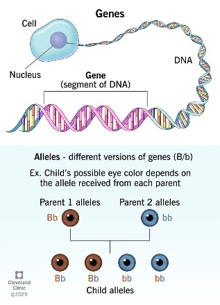
Chinese government in
consultation with the genetics industry and experts provide strategic
directions, guidelines and favorable environments for the development of
genetics in China.
China is heavily
investing in, and rapidly advancing, genetic technologies, focusing on
CRISPR gene editing, synthetic biology, and AI-driven genomic analysis
to drive biotech innovation
Key future directions
include bolstering food security via GM crops, developing CAR-T/gene
therapies for rare diseases, and enhancing regulatory frameworks
regarding human genetic data and ethical standards.
Key Future Directions and
Developments
-
Agricultural
Biotech & Gene Editing: China is
prioritizing the commercialization of genetically modified (GM)
crops, particularly corn and soybeans, to ensure food security.
Development is shifting toward advanced CRISPR-Cas systems for
crops.
-
Gene & Cell
Therapy (CGT): The industry is
maturing with increasing IND applications for CAR-T therapies
(targeting BCMA) and adeno-associated virus (AAV) gene therapies.
Large patient pools are accelerating clinical trial advancements in
rare diseases and oncology.
-
Synthetic
Biology & AI Integration: Combining
AI, automation, and big data with genetic engineering to build
advanced bio-manufacturing platforms.
-
Regulatory &
Ethical Frameworks: China is actively
updating its legal structure, including the 2023 Human Genetic
Resources (HGR) Implementation Rules, to balance innovation with
data safety and ethical concerns. New rules address the protection
of genetic data and prohibit unethical human germline editing.
-
Bioeconomy
Focus: The 14th Five-Year Plan
(2021–2025) emphasizes advancing biotech in healthcare, agriculture,
and bio-manufacturing.
-
International
Competitiveness: Chinese biotech firms
are making significant strides in international patenting,
particularly in CRISPR, indicating a shift from imitation to
innovation.
Key
Challenges & Outlook
-
Regulation vs.
Innovation: Evolving regulations are
trying to keep pace with rapid innovation in gene editing.
-
Ethical
Oversight: The government is
strengthening regulations regarding human genetic resources and
embryonic research.
-
Market Growth:
The sector is expected to remain a primary economic driver in China,
with increasing investment in biotechnology.
MAJOR PLAYERS IN CHINA GENETICS
China's genetics
technology sector is dominated by
BGI Group (genomics and
sequencing)
MGI Tech (sequencing
instruments), and
Berry Genomics (prenatal
testing), supported by government-backed research and a rapidly
expanding market. Other major players include
AnnoroadWuXi,
NextCODEEdiGene,
and
Qihan Biotech, focusing
on areas from CRISPR applications to clinical genetic testing.
Key Players
in China Genetics & Genomics:
-
BGI Group (BGI
Genomics): The largest genomics
organization in China, heavily involved in prenatal screening,
clinical testing, and COVID-19 testing.
-
MGI Tech Co.,
Ltd.: A major competitor to Illumina
in sequencing instruments, often used for high-throughput,
industrial-scale sequencing.
-
Berry Genomics
Co., Ltd.: A leader in clinical
molecular diagnostics and genetic testing, particularly prenatal
testing.
-
Annoroad Gene Technology:
A major player in next-generation sequencing (NGS) for reproductive
health and clinical applications.
-
WuXi NextCODE:
Focuses on genomics-based tests and, having acquired NextCODE,
provides significant data analysis capabilities.
-
EdiGene &
Qihan Biotech: Leading companies in CRISPR-based gene editing
for healthcare and, in Qihan's case, xenotransplantation
(animal-to-human organ transplantation).
-
WeGene:
Focuses on direct-to-consumer (DTC) genetic testing and GWAS
(genome-wide association studies).
-
HaploX:
Specializes in cancer genetic testing and liquid biopsies, with
partnerships to develop advanced, portable sequencers.
Key Trends:
-
Strong
Government Support: The "Healthy China
2030" policy and heavy investment in R&D drive growth.
-
CRISPR
Leadership: China is a global leader
in CRISPR research, with extensive applications in agriculture,
medicine, and animal cloning.
-
Expansion in
Diagnostics: Rapid growth in prenatal
screening, cancer diagnostics, and personalized medicine.
-
Key Hubs:
Shenzhen (BGI/MGI), Shanghai, and Beijing are central hubs for
biotech innovation.
|
