|
CHINA ELECTRICITY GENERATION TECHNOLOGY
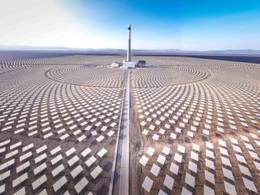
Electricity generation and infrastructure
technology comprise the systems, equipment, and networks used to
produce, transport, and distribute electric power. It involves
converting raw energy sources (fossil fuels, nuclear, wind, solar) into
electricity via generators, then using high-voltage transmission lines
and substations to deliver it to consumers.
Key Components
-
Generation
Technology: Methods to produce electricity, including fossil
fuel plants (coal, gas), nuclear power, and renewables (solar PV,
wind, hydroelectric).
-
Transmission
Infrastructure: High-voltage lines, towers, and substations that
transport electricity over long distances from power plants to the
distribution network.
-
Distribution
Network: Substations, transformers, and lower-voltage lines that
deliver electricity directly to homes, businesses, and industries.
-
Grid
Management: Technologies
for balancing, in real-time, electricity generation with demand to
maintain frequency and stability, such as synchronous generators and
storage.
Key
Technologies and Trends
The infrastructure must be constantly
managed to match real-time demand, often requiring large generators to
operate in synchrony to maintain a stable frequency.
CURRENT
STATUS OF CHINA ELECTRICITY GENERATION
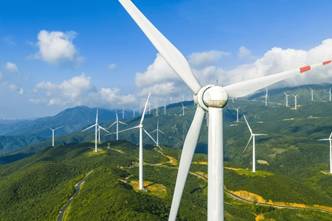
As of early 2026, China holds a dominant
global position in electricity, with non-fossil fuel sources accounting
for over 60% of total installed capacity
As of early 2026, China's total combined
wind and solar capacity have exceeded 1,883 GW, with solar at 1,232 GW
and wind at 651 GW by the end of February. The country is projected to
add over 200–400 GW of new wind and solar capacity in 2026 alone, with
non-fossil sources likely to account for 63% of the total power mix
In 2025, China installed more solar in a
single year than the rest of the world combined. While coal remains the
backbone of power generation (roughly 56%–58% in 2026), clean energy is
increasingly meeting new demand, with 46 Ultra-High Voltage (UHV) lines
enabling massive, long-distance transmission.
Generation
Technology & Capacity
-
Renewables Dominance:
By the end of 2025, renewable energy became the dominant source of
installed capacity. In 2024, solar added 278 GW and wind added 79.8
GW, with wind and solar generation growing by 16% and 42.9%
year-over-year, respectively, by April 2025.
-
Coal & Efficiency:
China continues to invest in advanced ultra-supercritical coal
plants to enhance efficiency, with 2024 coal generation accounting
for around 55% of the total mix. However, clean energy met 90% of
power generation investment in 2025.
-
Nuclear Expansion:
As of early 2025, nuclear capacity reached 61 GW, with significant
ongoing construction to increase its share.
-
Storage & Grid Stability:
To manage intermittent renewable energy, pumped hydro storage
capacity exceeded 66 GW by the end of 2025.
-
Advanced Research:
China is leading in renewable patents and recently achieved
record-breaking plasma fusion time, signalling long-term investment
in next-generation energy.
Infrastructure and Grid Technology
-
Ultra-High Voltage (UHV)
Leadership:
China dominates in UHV technology, with 46 lines in operation by
late 2025, strengthening the transmission of clean energy from the
west to industrial hubs in the east.
-
Smart Grid & Digitalization:
Significant investments are being made in smart grids, virtual power
plants, and battery storage to integrate high levels of wind and
solar.
-
Regional Interconnection:
All Chinese provinces are interconnected, managed by the State Grid
and China Southern Power Grid, designed to optimize distribution.
Future
Outlook (2026-2030)
-
Emissions Peak:
Evidence suggests China passed its peak emissions in 2024, six years
ahead of its 2030 goal.
-
Coal Decline:
The "more renewables, more coal" era is ending as clean energy
begins to fully satisfy new demand growth.
-
Policy Focus:
The focus is now on ensuring energy security through a mix of
high-efficiency coal and massive-scale renewable deployment.
CHINA MAJOR
SOURCES OF ELECTRICITY
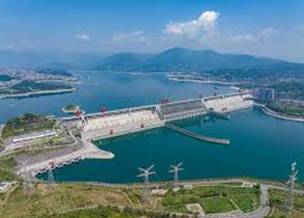
China's primary electricity source is
coal, which accounted for approximately 56%–58% of generation in 2026,
although its share is declining. Rapidly growing, non-fossil sources -
primarily hydropower, wind, and solar - now make up over 30% of total
generation. Nuclear power is also expanding, with 57 GW in operation.
Key
Electricity Sources in China (2024-2026)
-
Coal:
Remains the dominant source, providing approximately 56%–58% of
electricity in 2026. However, this contribution is falling due to
rapid clean energy deployment. Despite the transition, China
continues to build new coal capacity for energy security.
-
Hydropower:
Hydropower remains a foundational component of China's energy mix,
contributing roughly 10%–15% of total power generation.
-
Wind and Solar:
These are the fastest-growing sources. Combined, they made up nearly
20% of total generation in 2024 (10% wind, 9% solar). Total
renewable installed capacity, including hydro, reached 50% in 2026.
-
Nuclear Power:
As of April 2026, China has
60
commercial nuclear reactors in operation, ranking second globally.
The country is aggressively expanding its fleet, with 36 new
reactors under construction - the world's largest build-out = and 7
additional reactors scheduled to be commissioned before the end of
2026.
-
Natural Gas:
As of early 2026, natural gas maintains a relatively stable, minor,
but critical role in China’s energy mix, hovering around
8–9% of primary energy
consumption. While production
is increasing, its overall share remains small compared to coal,
with gas primarily used for industrial heating, manufacturing, and
city gas, rather than major power generation.
While coal remains the bedrock, China is
aggressively shifting towards renewables to meet growing demand, with
non-fossil sources accounting for over 85% of new power generation
increases in 2026.
WHY CHINA
LEADS THE WORLD IN POWER GENERATION
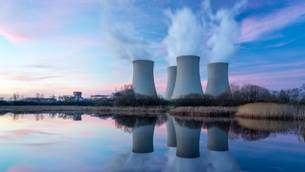
China leads the world in electricity
generation - producing over 10,000 TWh annually, more than the US, EU,
and India combined - due to massive state-driven investment, rapid
industrialization, and dominance in both renewable and coal-fired energy
infrastructure. By 2026, China installed half the world's solar and
wind power, while building high-efficiency clean coal plants, aiming for
energy abundance and strategic manufacturing superiority.
Key Factors
Driving China's Electricity Leadership:
-
Unprecedented Renewable Growth:
China is the global leader in renewable energy deployment,
installing more solar and wind capacity in a single month than some
countries do in a decade. In 2026, wind and solar became the largest
sources of new power.
-
Massive Investment & Subsidies:
The government utilizes targeted support and industrial planning,
creating "hubs" where entire supply chains for renewables are
concentrated in the same region, reducing costs.
-
Manufacturing Dominance:
China dominates the global supply chain for clean energy technology,
producing over 80% of solar panels and a significant share of wind
turbines and batteries, which lowers domestic installation costs.
-
Strategic "All-of-the-Above"
Approach: China
simultaneously expands renewable capacity while constructing
ultra-supercritical coal plants to ensure energy security and meet
soaring industrial demand. Ultra supercritical coal technology
reduces fuel consumption per megawatt-hour, achieving higher
efficiency (up to 47%+) and lower CO2/pollutant emissions compared
to traditional coal plants
-
Massive Infrastructure Investment:
The government aggressively funds national grid upgrades and
renewable projects, aimed at making electricity cheap and abundant
to support industrial growth.
-
Rising Industrial Demand:
Rapid urbanization and manufacturing growth have fueled the highest
demand for energy globally, with urban households using 50% more
energy than rural ones.
-
Strategy and Policy:
The energy transition is driven by a long-term goal of peaking
carbon emissions before 2030, which has fueled advancements in green
technology.
-
Global Impact:
China's low-cost solar panels and batteries have made renewable
energy more accessible globally
-
Government Leadership:
Most important factor for China’s success is the government’s
ability to develop, plan and execute long term visions successfully
on time and on budget. Government policies and expenditures are
focussed on benefiting the country and its people rather than
special interests.
-
Massive Scientific and Engineering
Talent. China
produces more STEM students each year than the US and G7 countries
combined. Most of the world’s top STEM universities and
research institutions are in China
By early 2026, renewable energy accounted
for roughly half of China's total installed capacity, cementing its
position as an "electrostate" aiming for both net-zero goals and
economic dominance.
FUTURE
DIRECTIONS AND DEVELOPMENTS IN CHINA'S ELECTRICITY SECTOR
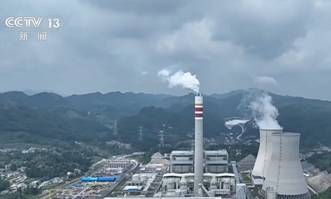
1. Generation
Technology: "Green-by-Growing"
-
Solar and Wind Dominance:
By the end of 2026, combined wind and solar capacity is projected to
exceed 50% of China's total power capacity. This rapid expansion is
transitioning from policy-driven to market-driven, with over 300 GW
of new renewable capacity added in 2025 alone.
-
Next-Gen Renewables:
Future developments focus on higher-efficiency solar panels, larger
offshore wind turbines, and advanced manufacturing to maintain a
global lead in low-carbon technology.
-
Nuclear Expansion:
Nuclear power remains a key, consistent, and low-carbon base-load,
with plans to continue rising through 2040, specifically focusing on
advanced, safe, and domestically developed designs.
-
Green Hydrogen:
China is a global leader in green hydrogen production [50% of global
capacity] and will integrate this technology into its industrial
energy systems.
2.
Infrastructure and Grid Modernization [15th FYP: 2026-2030]
-
Massive Grid Investment:
State Grid plans to invest 4 trillion yuan ($574 billion) between
2026 and 2030 to upgrade the grid—a 40% increase in investment over
the previous five-year plan.
-
Ultra-High-Voltage (UHV)
Expansion: The
core strategy is to expand the "West-to-East" power transmission
network, with UHV lines moving clean energy over 3,000 km from
resource-rich western regions to industrial coastal hubs.
-
Smart & Flexible Grids:
To handle the intermittency of renewables, grid investments are
focusing on AI, digitalization, and smart microgrids that can
balance supply and demand in real-time.
3. Energy
Storage and Flexibility
-
"New-Type" Energy Storage:
Lithium-ion batteries, compressed air, and gravity storage are
rapidly outpacing pumped hydro, with total capacity expected to
reach 236-391 GW by 2030.
-
Vehicle-to-Grid (V2G) Integration:
With over 30 million New Energy Vehicles (NEVs) by the end of 2024,
China is accelerating V2G pilot projects, enabling EVs to act as
distributed storage and stabilize the grid.
4. Policy,
Markets, and Structural Shifts
-
Unified National Power Market:
A national, unified power market is planned to be fully operational
by 2035 to allocate resources more efficiently across provinces.
-
Coal Power Optimization:
While coal still provides base-load stability, its role is
transitioning to providing flexibility and reliability rather than
primary capacity. New, high-efficiency coal plants are being built,
but the overall share is declining.
-
"Dual Carbon" Goals:
The strategy is aimed at peaking emissions before 2030 and reaching
carbon neutrality by 2060, with a focus on achieving 3.6 TW of wind
and solar capacity by 2035.
Furthermore, China is looking to
create new forms of the smart economy and will launch new infrastructure
projects on hyperscale intelligent computing clusters and coordinated
development of computing capacity and electricity supply. This strategic
direction opens vast room for development and lays a robust foundation
for a new leap in China’s socioeconomic progress
MAJOR PLAYERS
IN CHINA’S ELECTRICITY MARKET
China's electricity infrastructure and
generation are dominated by state-owned enterprises (SOEs), with
State Grid Corporation of China (SGCC)
and China Southern Power Grid managing transmission. Top power
generation players include China Huaneng Group, Datang, Huadian, and
China Yangtze Power. Key renewable/tech players include CATL
(batteries), BYD (storage), and Goldwind (wind).
Major Players in Electricity
Infrastructure & Generation:
-
Grid & Infrastructure
(Transmission/Distribution):
-
Power Generation [State-Owned
Utilities]:
-
Renewable Energy Generation &
Technology:
-
Energy Storage & Battery
Technology:
|
