|
CHINA BIOMANUFACTURING TECHNOLOGY
  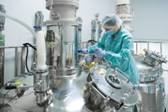
Biomanufacturing is the use of living systems like cells, bacteria, and
yeast
combined with processes like fermentation to produce commercial
products. It replaces traditional chemical and fossil-fuel methods to
create items sustainably.
How
Biomanufacturing Works
-
Microbial
factories: Tiny organisms are programmed or genetically engineered
to process feedstocks like sugar or agricultural waste.
-
Large bioreactors:
The engineered cells grow inside massive industrial tanks to
multiply and manufacture target molecules at scale.
-
Product recovery:
Desired materials are separated, purified, and harvested for
everyday commercial use.
Main Categories of
Biomanufacturing
-
Medical and
Pharmaceutical Biomanufacturing: Produces vaccines, therapeutic
antibodies, recombinant proteins, and cell/gene therapies using
mammalian or microbial cell cultures.
-
Industrial
Biomanufacturing: Uses engineered bacteria, fungi, or yeast via
fermentation to create biochemicals, bioplastics, biofuels, and
textiles as sustainable alternatives to petroleum.
-
Food and
Agricultural Biomanufacturing: Synthesizes alternative proteins,
vitamins, natural food flavorings, and bio-fertilizers using
controlled microbial or enzymatic processes
CURRENT
STATUS OF BIOMANUFACTURING IN CHINA
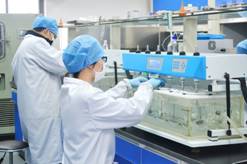 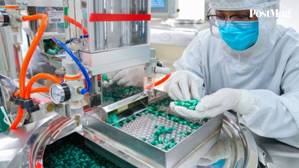
China’s
biomanufacturing industry is expanding rapidly, highlighted by a total
output value reaching 1.1 trillion yuan (~$156 billion USD) through
heavy state backing, advanced domestic equipment scaling, and an
ambitious push into pilot-scale testing infrastructure
Market Scale and
Milestones
-
Economic Output:
Total output crossed 1.1 trillion yuan at the close of the 14th
Five-Year Plan (2021–2025).
-
Global Share:
Bio-fermentation output constitutes over 70% of the worldwide
total.
-
Patents:
China accounts for more than 20% of global patent filings in
biomanufacturing, leading the world in synthetic biology research
citation share.
Strategic
Push and Infrastructure
-
Pilot
Facilities: The Ministry of Industry
and Information Technology (MIIT) designated 43 companies and plans
up to expanded validation networks to overcome testing bottlenecks.
-
Signature
Targets: Beijing introduced targeted
product lists aiming to shift mature petrochemical manufacturing
over to bio-based inputs and non-food biomass.
-
Domestic
Equipment: Industrial deployment now
relies on homegrown high-throughput gene sequencers and large-scale
fermenters.
WHY CHINA LEADS THE
WORLD IN BIOMANUFACTURING
 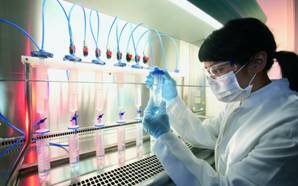
China leads the world
in biomanufacturing due to strong government planning, massive
industrial scale, and rapid clinical and research output. These key
factors drive its dominant position in the global biotechnology market.
Government Policy and
Strategic Planning
-
National Priority:
Beijing treats biomanufacturing as a core pillar of economic power
and food security, setting clear targets for dozens of key
bio-inputs and chemicals.
-
Five-Year Plans:
State policies coordinate regional funding, infrastructure, and the
construction of dozens of new pilot biomanufacturing plants.
-
Local Hubs: Dense
life-science clusters receive heavy state backing in major cities
like Shanghai, Beijing, and Shenzhen.
Industrial Scale and Cost Advantages
-
High Output: China
accounts for over 70 percent of global bio-fermentation production
volume.
-
Engineering Depth:
Strong domestic manufacturing supply chains allow plants to scale
up quickly and keep production costs low.
-
Established
Back-Office: Decades of producing active pharmaceutical ingredients
have built deep technical know-how and efficient contract research
and manufacturing networks.
Research
and Clinical Speed
-
Research Output:
China produces over 20 percent of global scientific publications
and patent applications in biomanufacturing fields.
-
Fast Clinical
Trials: Large patient populations and streamlined local processes
enable high-volume clinical testing at speeds that outpace many
Western countries.
-
Global Integration:
Domestic biotech firms increasingly secure major global
out-licensing deals and partnerships with multinational
pharmaceutical giants
FUTURE DIRECTIONS AND
DEVELOPMENT OF BIOMANUFACTURING IN CHINA
 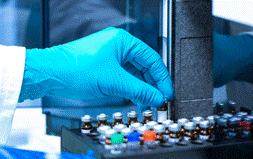
China's biomanufacturing industry is shifting into a strategic growth
phase focused on synthetic biology, pilot-scale testing, and green
industrial upgrading. Key development areas include scaling AI-enabled
applications, expanding domestic bioreactor and equipment production,
and securing food and supply chain security.
Strategic Goals for the
15th Five-Year Plan (2026–2030)
-
Pilot Scale
Infrastructure: Building dedicated pilot-scale production platforms
and networks through designated enterprise lists to bridge the gap
between laboratories and commercial plants.
-
Flagship
Bio-Products: Targeting high-value outputs like alternative
proteins, biodegradable materials (such as PHAs and PLA), industrial
enzymes, and advanced biochemicals.
-
Core Technology
Mastery: Reducing reliance on foreign tools by advancing domestic
high-performance bioreactors, smart fermentation, enzyme
engineering, and gene-editing instruments.
Industrial Integration
and Policy Drivers
-
Green Economy
Priority: Converting industrial waste, exhaust gases, and crop
straws into high-value feed, green fuels, and bio-based films to hit
national carbon-neutrality targets.
-
Regional Clusters:
Strengthening localized bio-industrial clusters and free trade zones
(like Jiangsu) to streamline research, clinical execution, and
manufacturing supply chains.
-
Global
Collaborations: Facilitating early-stage out-licensing and
co-development deals between domestic biotech innovators and
multinational pharmaceutical corporations
KEY PLAYERS IN
BIOMANUFACTURING IN CHINA
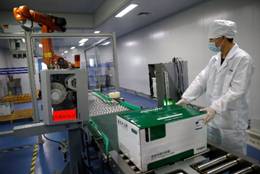 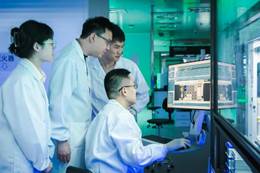
Key players in China's
biomanufacturing sector include major industry pioneers and contract
research organizations such as
WuXi AppTec,
alongside specialized synthetic biology innovators such as MicroCyto and
Beijing PHAbuilder.
Backed by state
planning and the Ministry of Industry and Information Technology (MIIT),
43 designated companies are scaling up pilot platforms for bio-based
chemicals, food additives, and therapeutics.
Major Corporations &
Innovators
-
WuXi AppTec:
Provides global-scale R&D and manufacturing services for drug
development.
-
MicroCyto
(Beijing): Pioneers innovative microbial fermentation processes for
functional sugars and allulose.
-
Beijing PHAbuilder:
Leads development in eco-friendly polyhydroxyalkanoates (PHA) via
advanced saltwater fermentation.
-
Asymchem Biotech
(Tianjin): Scales bio-based active ingredients and complex
pharmaceutical compounds.
Institutional &
Regional Hubs
-
State Development
and Investment Corporation (SDIC): Directs multi-billion-dollar
public funding into commercializing biomanufacturing and synthetic
biology.
-
Shanghai Zhangjiang
Pharma Valley: Focuses heavily on high-end biopharmaceuticals and
synthetic biology infrastructure.
-
Beijing Yizhuang
(E-Town): Acts as a primary national cluster for bioengineering,
cell therapies, and vaccine manufacturing
|
