|
|
| HOME | CHINA | BRI | SCO | BRICS | AGRIFOODASIA PROJECTS | AA PARTNERS & PRODUCTS | ABOUT US |
VALUE ADDING OF DAIRY
COW MEAT
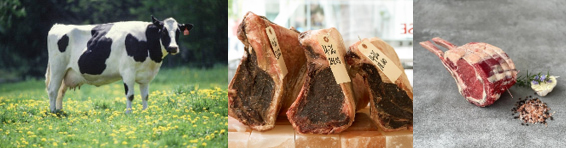
Dairy cow meat is beef from cattle raised primarily for milk rather than meat production. While most commercial dairy cow meat from older, retired cows goes into ground beef, artisanal producers use dry-aging to create a richly flavored, savory specialty beef with deep yellow fat.
Characteristics of Dairy Cow
Meat
Common Uses
CHINA Northeast China has a large base of dairy cattle. Adding value requires transforming lower-grade dairy culls and bull calves into high-margin beef products. Dairy “cull cow” and “slaughter cow” are terms generally used to refer to cows sold to meat packing plants and not held for additional or future milk or beef production. “Cull dairy cow” is a term that refers to the dairy cow, lactating or dry, removed from the herd due to single or multiple reasons, destined to be harvested for meat production To add value to dairy cow meat in Northeast China provinces such as Heilongjiang, Jilin and Liaoning, some of the most effective strategies include crossbreeding bull calves with specialized beef genetics, implementing high-energy, grain-based finishing diets, and targeting the premium ready-to-cook (RTC) or processed meat markets as consumer tastes shift toward convenience and food safety. The primary aim of this project is to develop and adopt technologies and methodologies that can transforming low quality and low value dairy cow meat into high value premium meat through various processes such as aging – particularly dry-aging. DRY AGING Dry aging dairy cow meat - often from older, leaner or grass-fed animals is a great way to transform low-quality dairy cow meat through the processes of tenderness improvement and flavor concentrate. Ageing is a process during which microbes and enzymes act upon the meat to help breakdown the connective tissue to tenderise the meat and produce new flavours To produce high value premium dry aging dairy cow beef – meat selection and preparation, meat packaging and strict controlled of temperature, humidity and airflow throughout the aging process are of primary importance. Because dry-aged dairy cow meat is tender with intense flavor but less moisture, and it cooks faster – proper pre-cooking preparations such as seasoning and the cooking methods employed are essential. |
|
|