|
In
the US, industrial hemp farming 2-5 times more profitable that tobacco,
potato, cotton or corn farming.
In
China, industrial hemp farming is 2-10 times more profitable than other
similar agriculture crops such as cotton and corn.
The
profitability of industrial hemp farming can become much more profitable
as industry development and farming productivity and efficiency
increase.
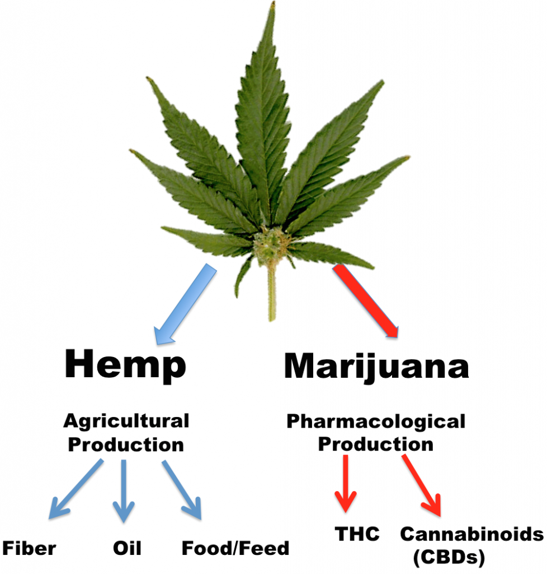
Industrial hemp is part of the Cannabis sativa L. family, same as
medical cannabis [marijuana].
Industrial hemp is defined as any Cannabis plant that has a THC [Tetrahydrocannabinol]
concentration in its leaves and flowering heads of no more than 0.3%.
Plant
stresses such as drought, flooding, excessive nutrients, not enough
nutrients, heat, cold etc can result in THC spikes.
Medical cannabis [marijuana] plants typically contain up to 25% THC
[psychoactive compound] and very low in CBD.
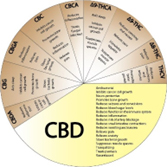
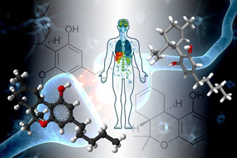
Cannabis sativa contains around 80 unique and valuable compounds called
cannabinoids – particularly THC and CBD [Cannabidiol]. Many potential
applications of THC and CBD have yet to be explored.
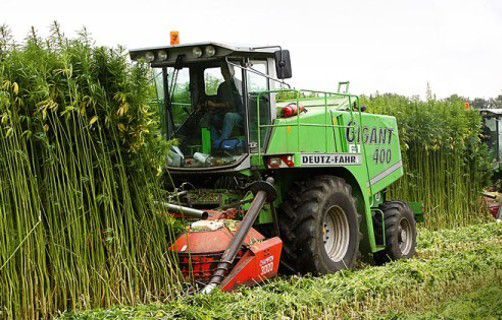
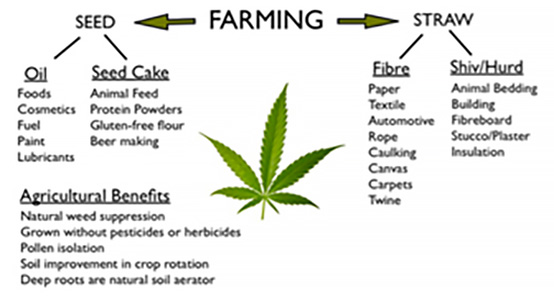
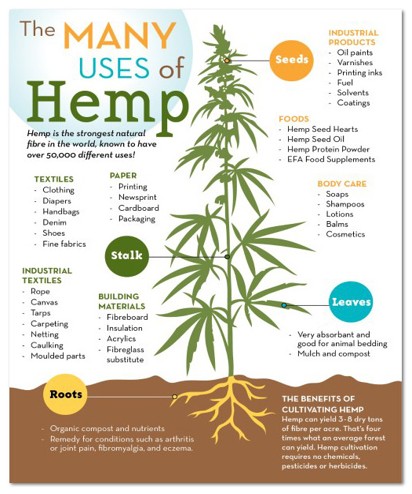
Industrial hemp is a highly versatile crop with substantial economic and
environmental Value.
Industrial hemp is natural + eco-friendly agricultural plant that is
100% non-toxic and it is renewable, recyclable and biodegradable.
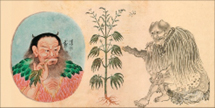
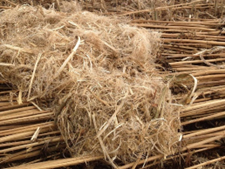
Cultivated in China 10,000 years ago for medicine + food + industrial
products such as textile, paper, sails and rope.
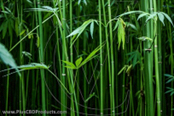
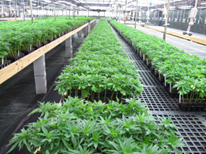
Industrial hemp is a sun-loving bamboo-like and easy and low cost to
farm in almost ALL climatic and soil conditions with minimal farm
inputs. The plant has excellent pest, disease and weed resistance.
Industrial hemp is known to be a superior rotational crop and carbon
sink [absorbs ~22 MT CO2/Ha/crop of hemp] and can crop more than once
per year.
It
has high biomass and can be grown for fibre, food, oil or bioactive
compounds with over 25,000 potential applications.
The
farming, processing and marketing were either banned or restricted in
many countries due to its association with sister plant marijuana.
|