|
|
| HOME | CHINA | BRI | SCO | BRICS | AGRIFOODASIA PROJECTS | AA PARTNERS & PRODUCTS | ABOUT US |
CORN STALK COMPOSTING
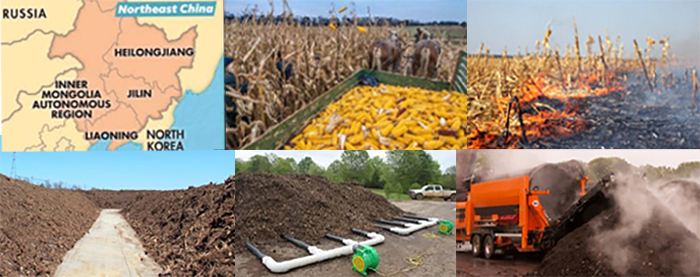
Agricultural stalks are the leftover stem and main stalk parts of crops like corn, wheat, sorghum and rice after harvest. Agricultural plant stalks are versatile byproducts that can be used for livestock feed, soil-enriching mulch, biofuel production, mushroom cultivation substrates, and eco-friendly raw materials like paper, fiberboards, and seasonal crafts One of the most important technologies that can be used to minimize stalk-burning related pollution and converting these stalks from waste into valuable economic byproduct is composting. CHINA As of 2026, China is the world’s second-largest corn producer, producing around 301 million metric tons a year, accounting for roughly 23% of global production. The increase in output in China is primarily driven by improved average yields rather than significant increases in corn farm land area. While production is growing, consumption is also increasing, with around 67% of the corn used for animal feed and 26% for industrial processing. Northeast China (Heilongjiang, Jilin, Liaoning, Inner Mongolia) is China's "corn granary," producing over 40% of the nation’s total corn. This increase in corn production in norther east China is driven by fertile black soil, high-tech farming, and high profitability. However, corn stalk burning is a very serious problem in NE China. Corn stalk burning in Northeast China is a persistent issue, causing severe air pollution (PM2.5), increased GHG emissions, and hazardous fire risks, primarily driven by the need to clear land quickly for spring planting after high-volume autumn harvests. Despite strict government bans and satellite monitoring, the practice continues due to the high cost of alternative disposal methods for farmers, resulting in annual air quality emergencies, particularly in autumn. There is an urgent need for technologies that can help farmers, particularly those from relatively small farms, to manage the yearly corn stalk problems without negatively affect the environmental and soil fertility The primary aim of this project is aimed at developing small as well large-scale composting methods and technologies that are suitable for the composting of corn stalks as well as other agricultural stalks and wastes into fertilizers – particularly under extreme cold using various types of cold resistant/loving bacteria and fungi. |
|
|