|
|
| HOME | CHINA | BRI | SCO | BRICS | AGRIFOODASIA PROJECTS | AA PARTNERS & PRODUCTS | ABOUT US |
ADVANCED AGRIFOOD DEHYDRATION TECHNOLOGY
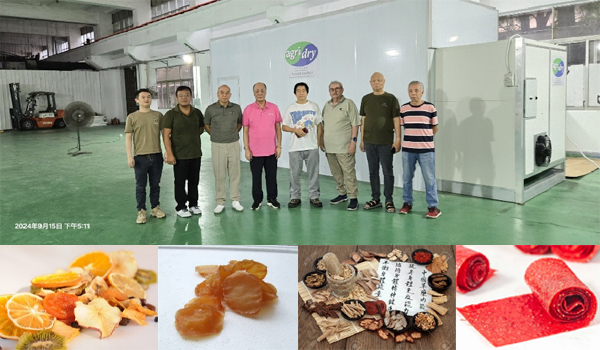
Most harvested agrifood products such as fruits and vegetables, seafood and medical herbs are highly perishable and lose sensory as well as nutritional and bioactive qualities rapidly after harvest. Harvested agrifood products are particularly sensitive to high temperature and lose quality and storage life rapidly if the temperature of the harvest products is not reduced to low temperatures quickly. Fresh agriculture products are seasonal and have short harvest seasons. Most harvested products have short postharvest and any products that cannot be marketed or processed immediately after harvest must by transformed into forms that can maintain their quality as well as having extended storage life. One of the most cost effective and commonly adopted processing technology to help reduce postharvest losses, value add and transforming fresh agrifood products into more durable forms suitable for long term storage, distant marketing and export is food dehydration. Food dehydration is a century old method of food preservation. At present, most harvest agrifood products dried around the world including China is either under the sun or using hot air driers. These drying methods expose temperature sensitive agrifood products to high temperatures that significantly reduces not only the sensory but also the nutritional and bioactive qualities of the products. AgrifoodAsia in co-operation with its partner HEATEC have developed an advanced computer-controlled agrifood drier [AGDRY] using low humidity and low temperatures. Instead of evaporating the water from fresh products at high temperatures such as that with sun drying and hot air drying – AGDRY uses low humidity and low temperature air to gently draw the moisture from the agrifood products under dehydration and thus retain much of their sensory and chemical qualities. Multiple large drying trials in Australia and in China have proven that AGDRY can produce dehydrated products that are far superior to that produced by conventional hot air drying and sun drying without the use of synthetic chemicals, coloring agents, preservatives and flavour enhancers. Furthermore, AGDRY not only is low cost and high technology, easy to operate, the drier uses only 1/3 of the electricity compare to conventional hot air driers and is computer controlled. AGDRY is highly versatile – can be used to dry many different types of agrifood products including fruits and vegetables, seafood, meat as well as producing dried processed foods such as fruit and vegetable leathers and meat jerkies. Currently – most Chinese medical herbs are dried under high temperatures that results in poor quality dried products with significant loss of not only sensory but also valuable nutritional and bioactive constituents This proposed project is aimed at:
Major bioactive compounds extracted from Chinese medicinal herbs include: Ginsenosides: Saponins extracted from Panax ginseng (Asian ginseng) utilized in the pharmaceutical and cosmetic industries for anti-fatigue, immune-boosting, and skin-rejuvenating formulations. Artemisinin: A potent antimalarial sesquiterpene lactone isolated from Artemisia annua (sweet wormwood), serving as a cornerstone global pharmaceutical treatment. Astragalus Polysaccharides: Complex carbohydrates extracted from Astragalus membranaceus (Huangqi) applied in functional foods and immunostimulant supplements. Resveratrol: A polyphenol sourced from herbs like Polygonum cuspidatum (Japanese knotweed/Hu Zhang), heavily sought after by the nutraceutical and anti-aging cosmetic sectors. Berberine: An isoquinoline alkaloid derived from Coptis chinensis (Huanglian), utilized in over-the-counter and clinical metabolic/antimicrobial health products. Baicalin / Baicalein: Flavonoids extracted from Scutellaria baicalensis (Baikal skullcap) valued for anti-inflammatory and antioxidant properties in topical therapeutics and skincare Glycyrrhizin: A triterpenoid saponin from Glycyrrhiza uralensis (Licorice root) used widely as a natural high-intensity sweetener, flavoring agent, and anti-inflammatory pharmaceutical excipient. |
|
|